Beauty
The Contour Blueprint: How Makeup Artists Map the Face for Camera
Contouring is less a trend than a drafting exercise — shadow placed where light would fall, and adjusted face by face.
Beauty at AWH Magazine treats makeup and hair as authored work rather than product placement. Pieces credit the artists, name the references, and explain how a face was constructed for a show, a campaign or a portrait. Suited to readers interested in image-making, not only in what to purchase.
Contouring is less a trend than a drafting exercise — shadow placed where light would fall, and adjusted face by face.
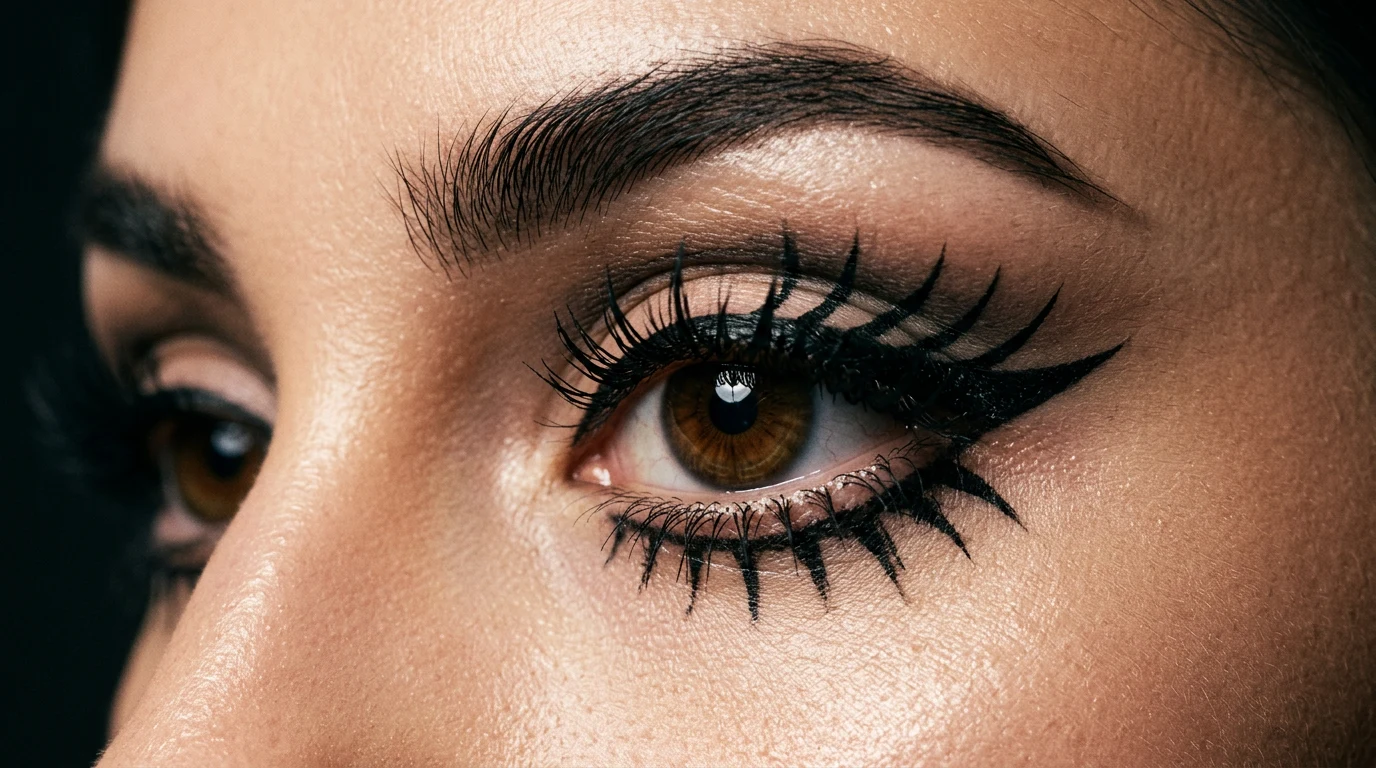
In 1966, London's most photographed teenager attributed her signature eye to a childhood toy, not a makeup artist — a small, documented detail that explains why the look outlived the decade that made it famous.
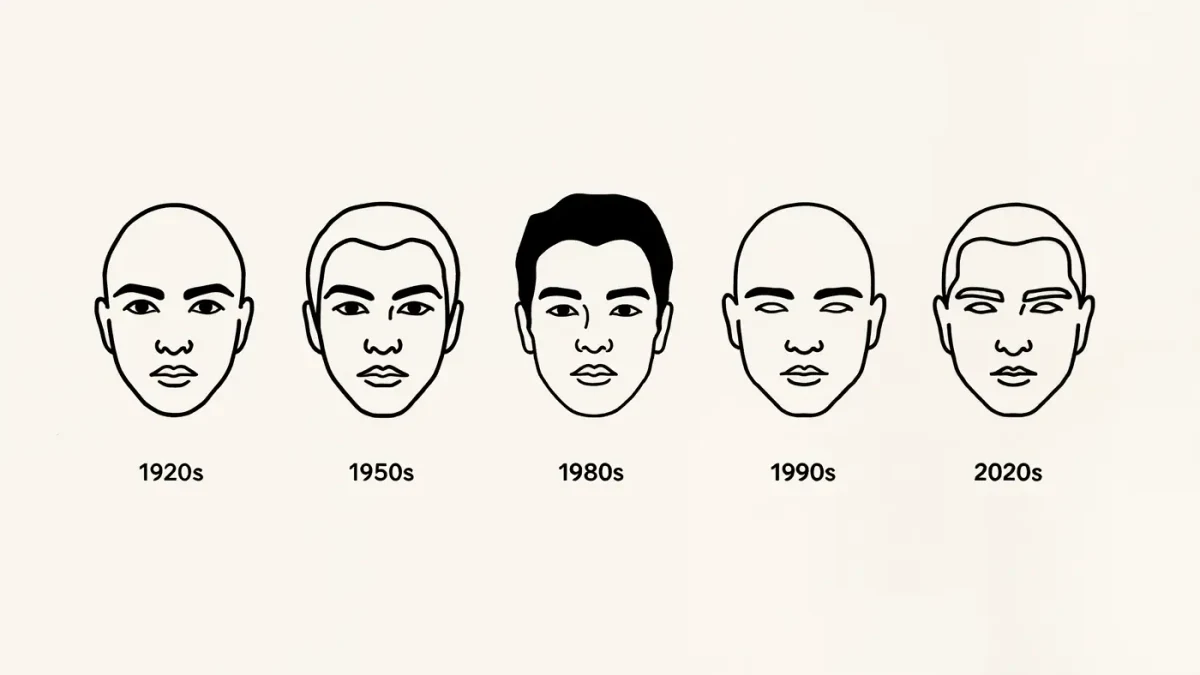
Plucked to a line in the 1920s, bleached to invisibility on today's runways — the eyebrow as fashion's most reliable pendulum.

Behind every house fragrance stands a tiered keyboard of vials and a trained nose — the craft that turns a one-page brief into a bottle.
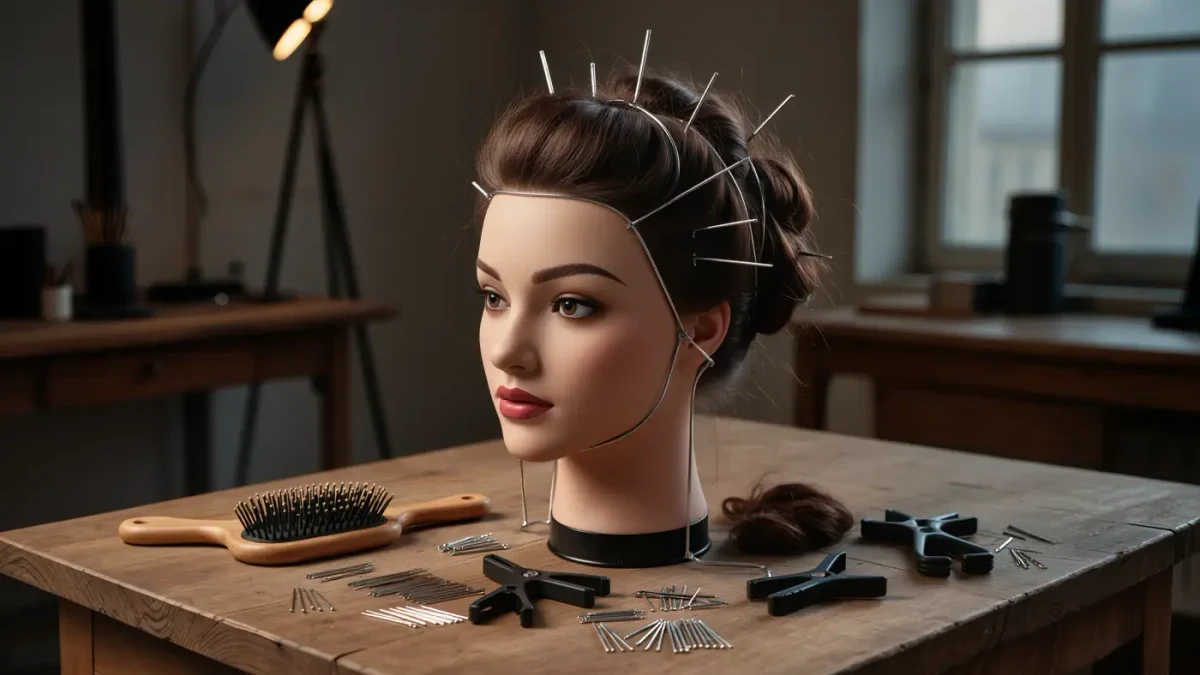
When a hairstyle holds a built form — a 1960s beehive, an engineered runway updo — hairdressing crosses into the territory of sculpture.
From face paint at art-school parties to creative direction at Byredo and her own label, a career that treats beauty imagery as culture, not polish.