Art covers exhibitions, commissions and the artists whose vocabulary keeps turning up in collections. Coverage names movements, materials and editions, and separates genuine collaboration from a licensing deal with a signature attached. Written for readers who move between galleries and fashion with equal fluency.
The Met's Costume Institute holds more than 33,000 garments and accessories, and its fifty-year project of exhibiting dress as art history changed how both museums and fashion houses understand the garment.
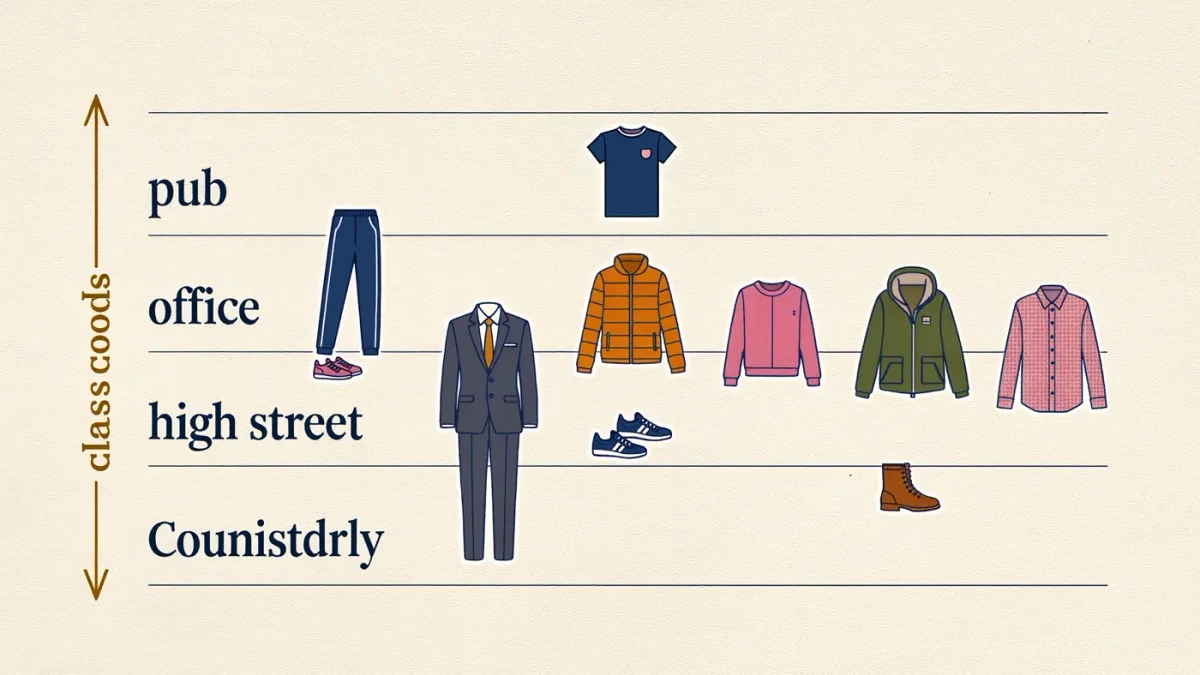
Grayson Perry accepted the 2003 Turner Prize in a dress as his alter ego Claire, and has spent four decades making ceramics and tapestries that read British class through what people wear.
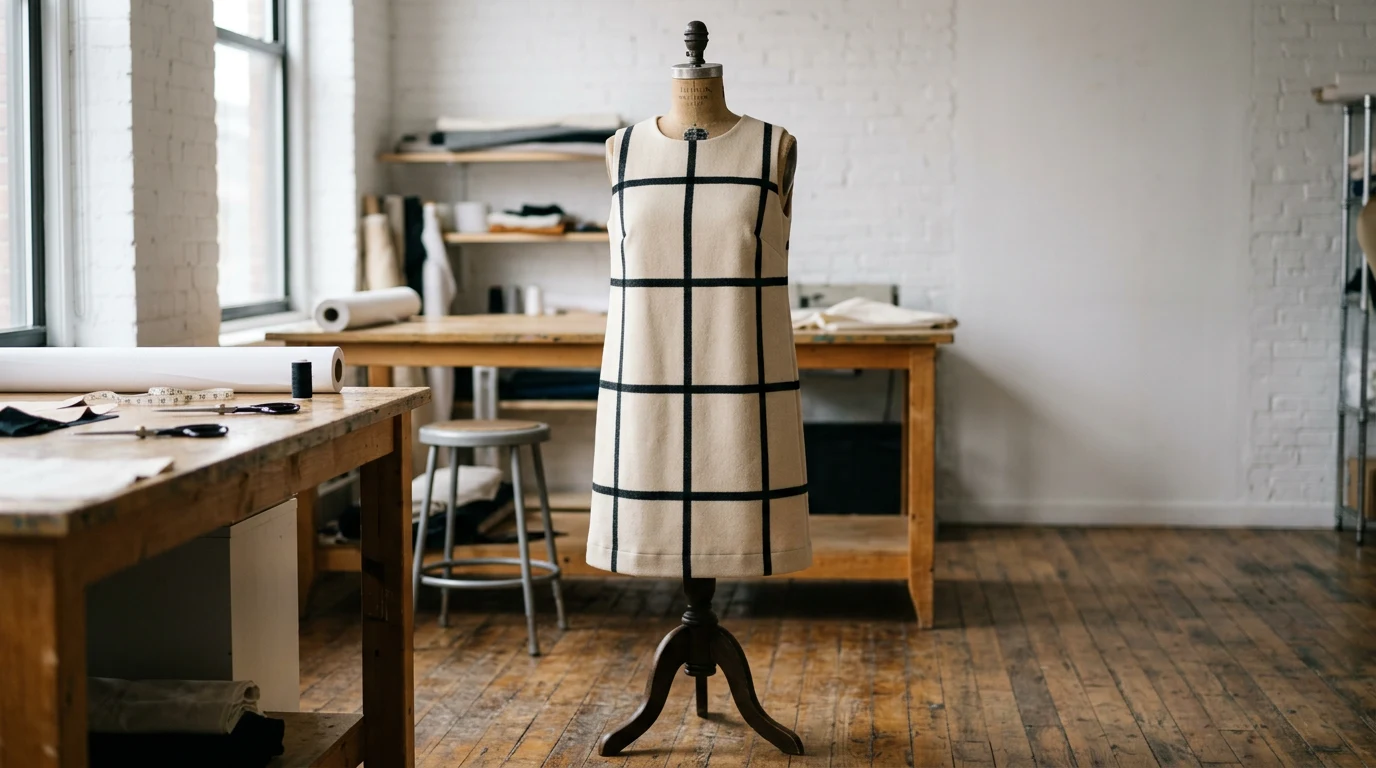
In August 1965 a Paris couture show sent out a handful of shift dresses built to hide their seams inside a painter's grid — and made a career-long argument about where fashion ends and art begins.
Keith Haring opened the Pop Shop on Lafayette Street in April 1986 and sold his imagery as T-shirts and posters — the blueprint for every artist-fashion collaboration since.
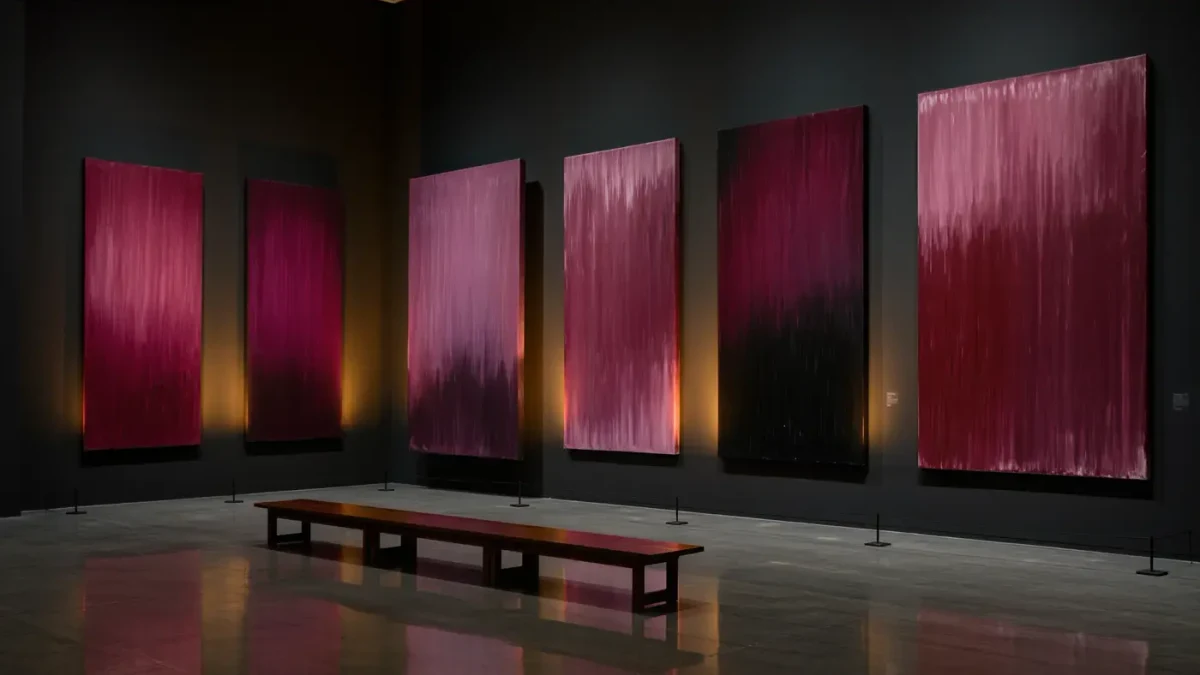
Color-field painting — Mark Rothko's stacked rectangles and Barnett Newman's zips — changed how a single surface could hold attention, and monochrome dressing borrowed the lesson whole.
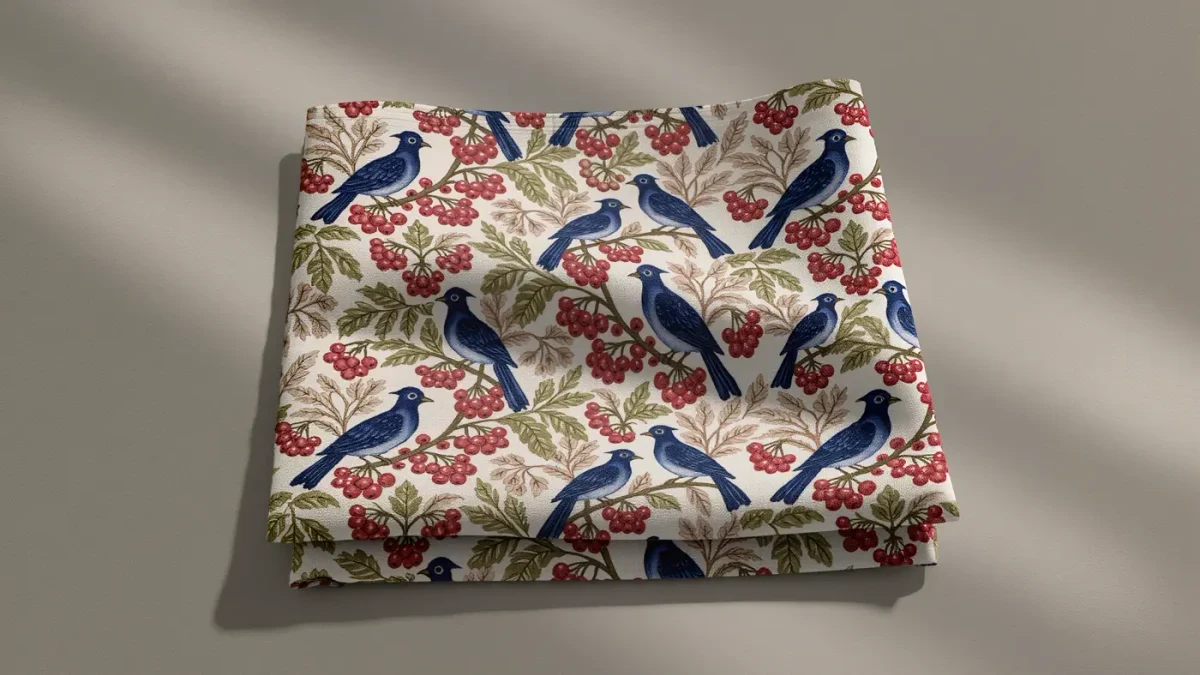
William Morris designed Strawberry Thief in 1883, and fashion has been borrowing the Victorian archive ever since — indigo birds, willow boughs and trellises that refuse to date.