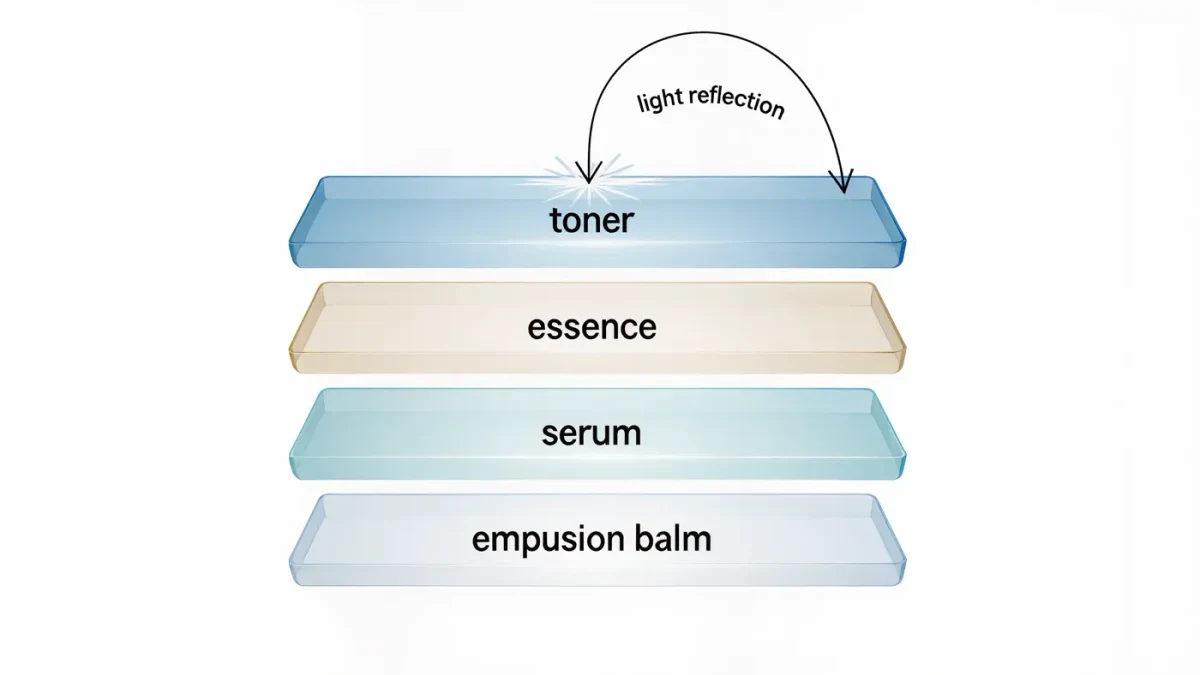
Beauty
The Glass Skin Decade: What K-Beauty Changed in the Editorial Face
A Korean ideal of translucent, hydrated skin crossed into Western magazines and quietly dismantled a century of matte.
Beauty at AWH Magazine treats makeup and hair as authored work rather than product placement. Pieces credit the artists, name the references, and explain how a face was constructed for a show, a campaign or a portrait. Suited to readers interested in image-making, not only in what to purchase.
A Korean ideal of translucent, hydrated skin crossed into Western magazines and quietly dismantled a century of matte.
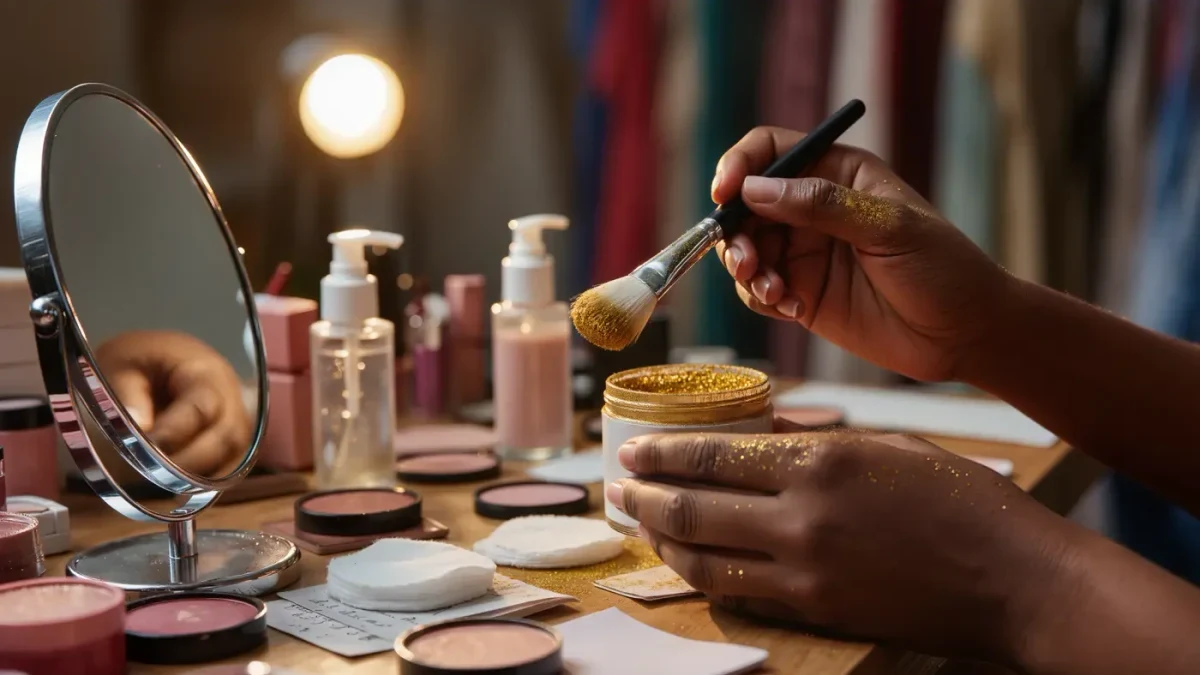
The makeup artist who turned a gold-leafed face at Gianni Versace's 1996 show into a career of named, signed, billion-pound beauty authorship.
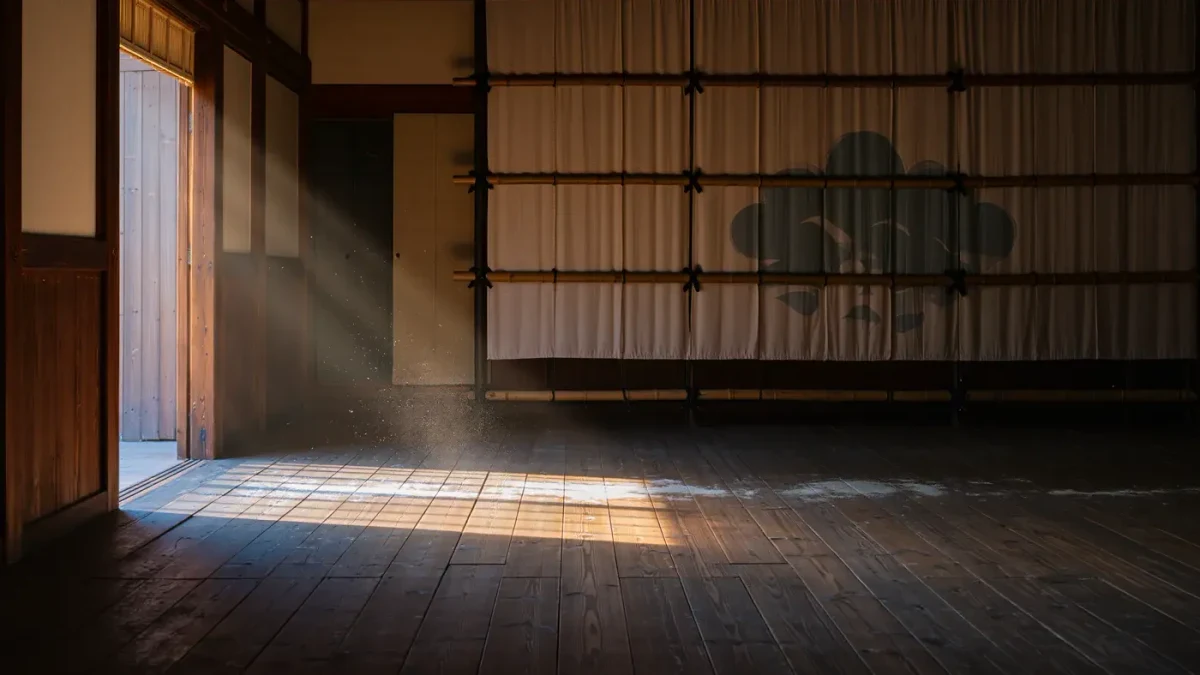
White faces and coded colour on the runway are not fantasy — they borrow a working system built on the kabuki stage, where paint was dramaturgy.
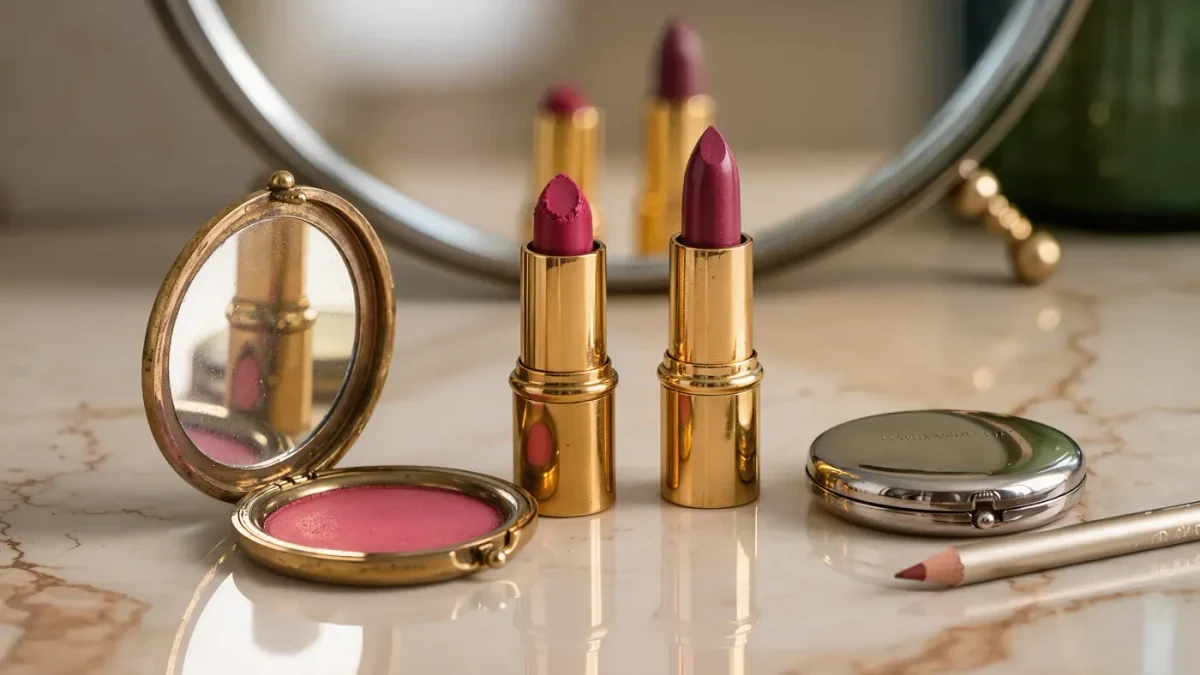
A small, dark, heart-shaped mouth became the decade's signature — the moment lipstick turned from cosmetics-counter afterthought into a modern gesture.
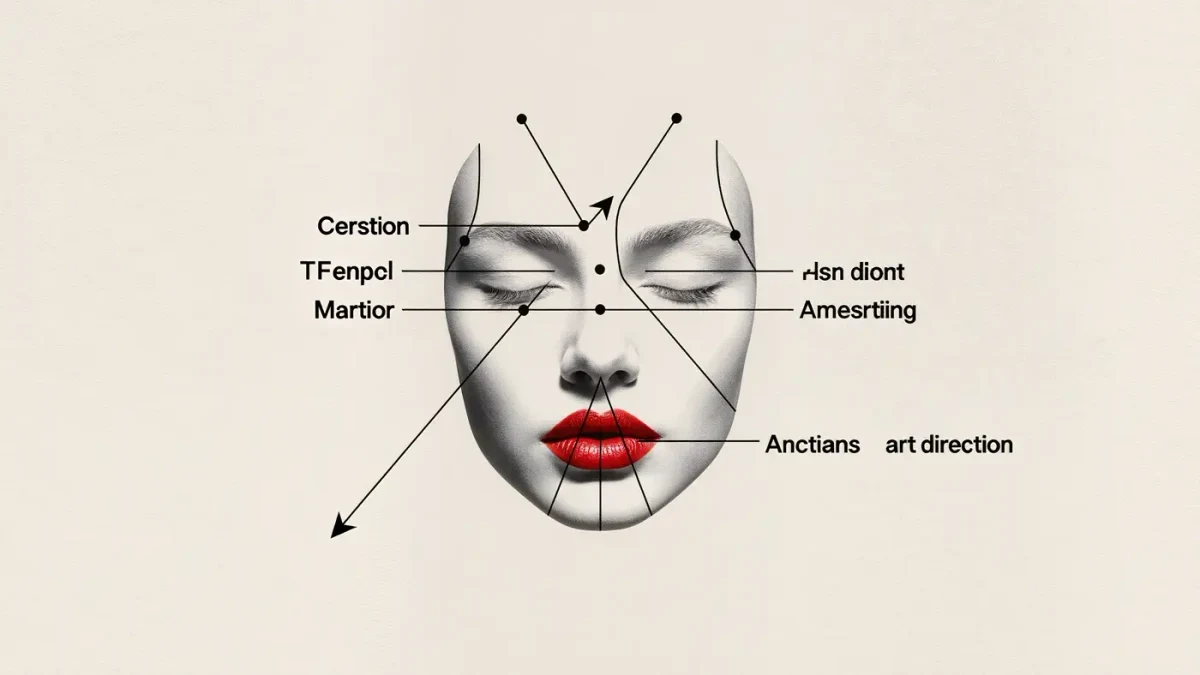
From 1980, one French image-maker taught a Japanese cosmetics house to speak in his own visual language — and beauty direction became authorship.
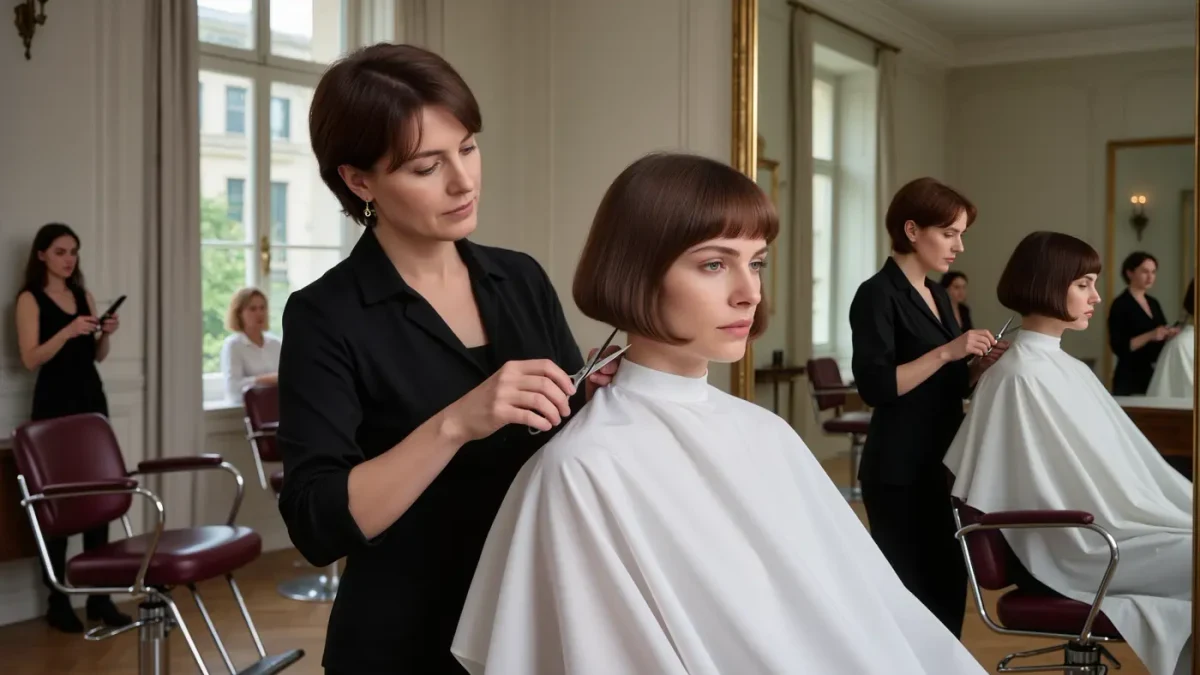
In 1963 a single short cut, built on five precisely placed angles, argued that hair could be engineered like architecture instead of dressed like upholstery.