Art
The Unnatural Portraits: Cindy Sherman's Fashion Photography as Critique From the Inside
Commissioned by Interview in 1983–84 and again in 1993–94, Cindy Sherman used fashion's own formats to expose how artificial the fashion image really is.
Art covers exhibitions, commissions and the artists whose vocabulary keeps turning up in collections. Coverage names movements, materials and editions, and separates genuine collaboration from a licensing deal with a signature attached. Written for readers who move between galleries and fashion with equal fluency.
Commissioned by Interview in 1983–84 and again in 1993–94, Cindy Sherman used fashion's own formats to expose how artificial the fashion image really is.
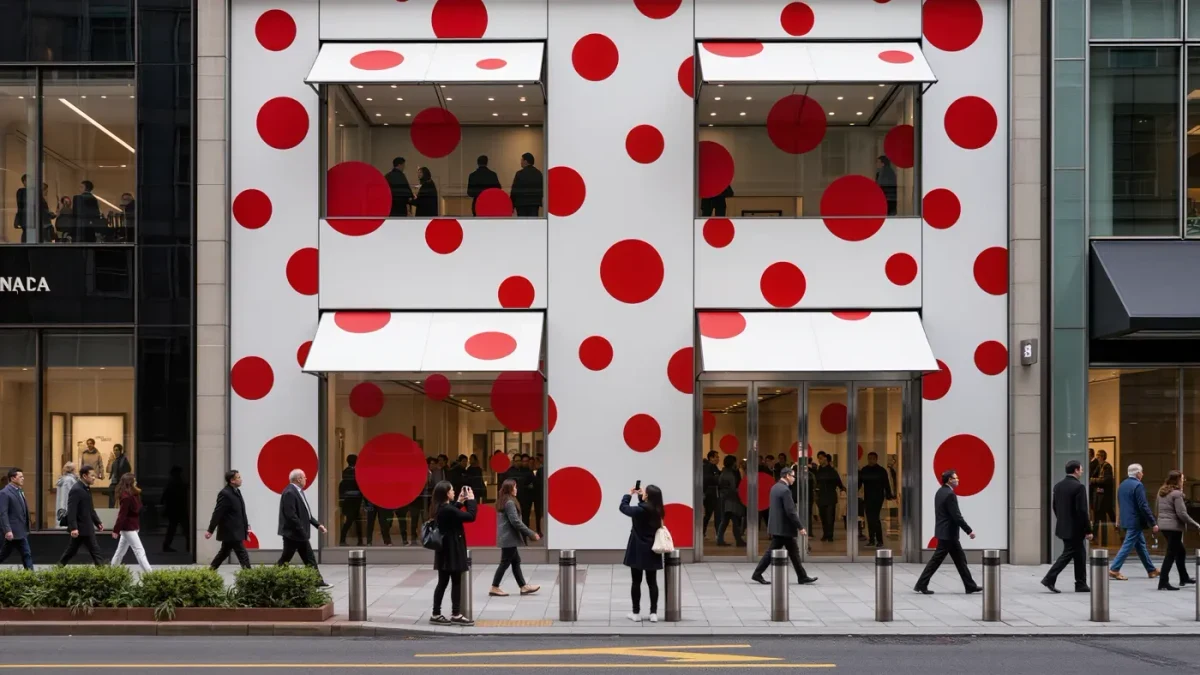
The polka dot carried Yayoi Kusama from 1960s New York provocations to a 2012 collaboration with Louis Vuitton — a fifty-year argument for pattern as a worldview.
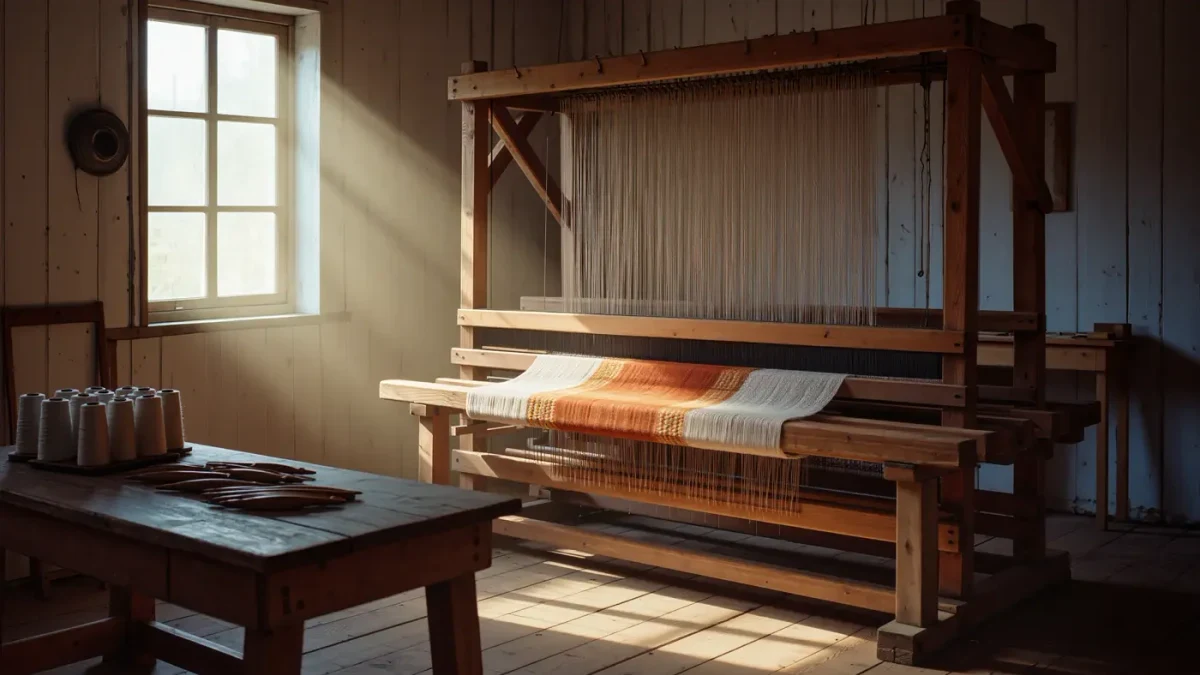
Anni Albers treated weaving as an engineering discipline, from the Bauhaus workshop to her 1949 MoMA exhibition and the 1965 book On Weaving — a reading of cloth that fashion still borrows without fully crediting.
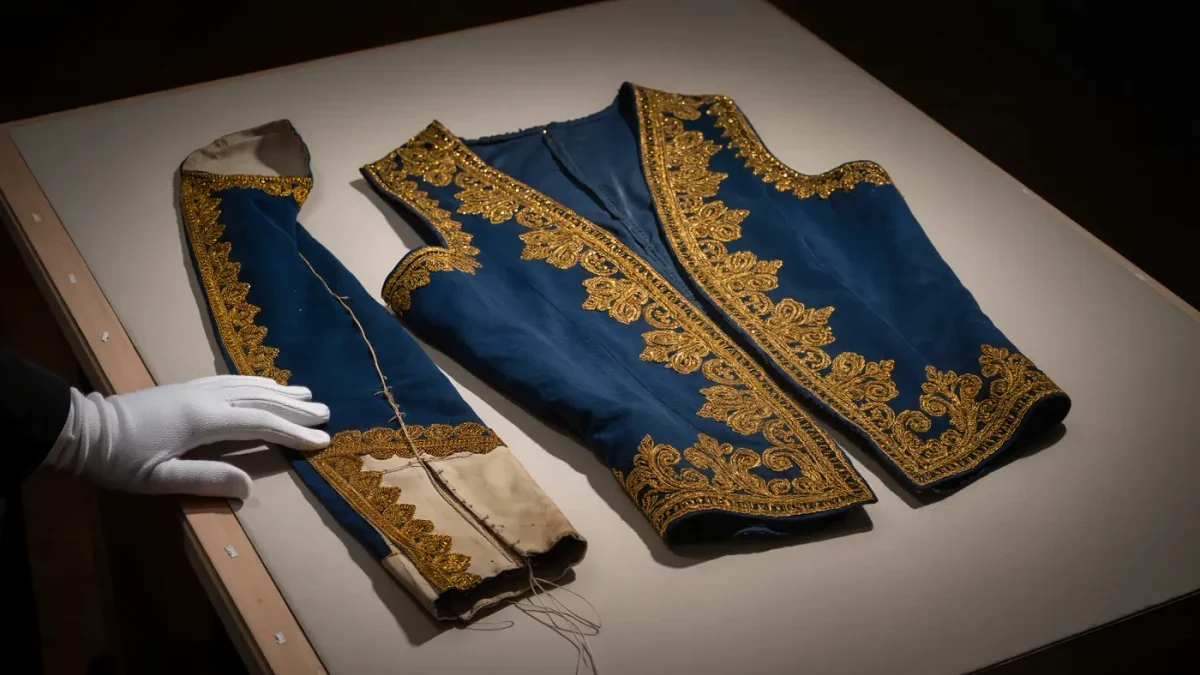
Diaghilev's Ballets Russes gave the century's painters a stage — Picasso's Parade of 1917 and Matisse's Le Chant du rossignol of 1920 remain the sharpest proof that a costume can carry a movement.
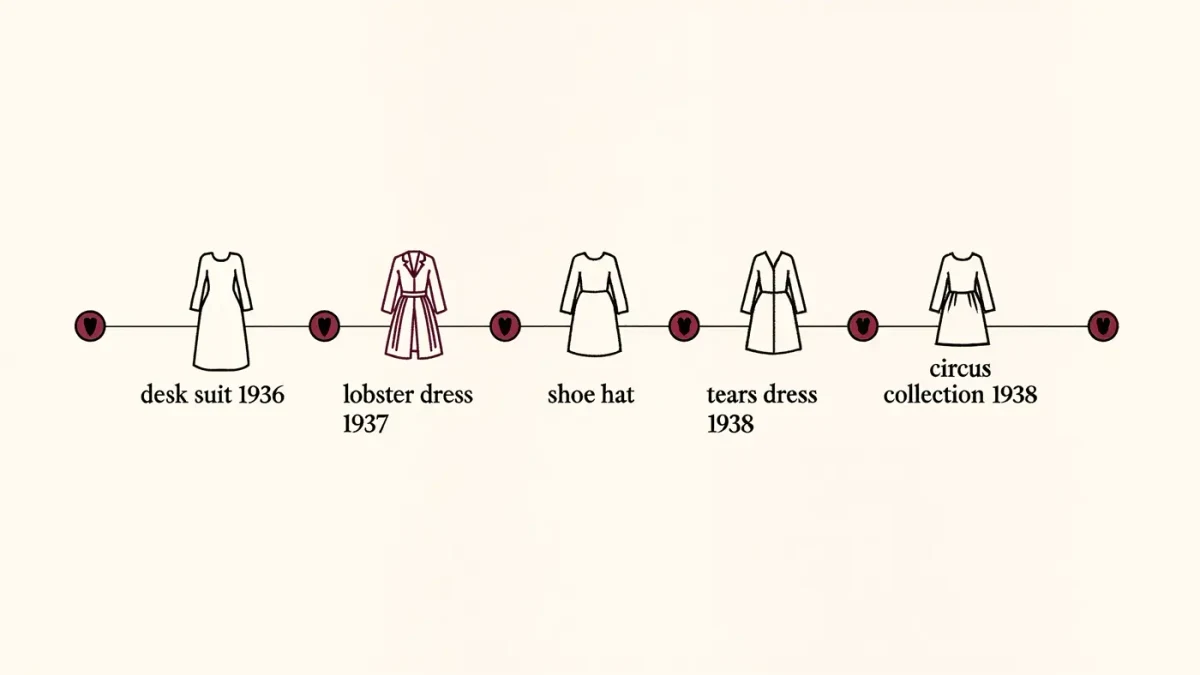
Between 1936 and 1938, Elsa Schiaparelli and Salvador Dalí turned garments into pictures — most famously the 1937 lobster dress photographed on Wallis Simpson by Cecil Beaton.
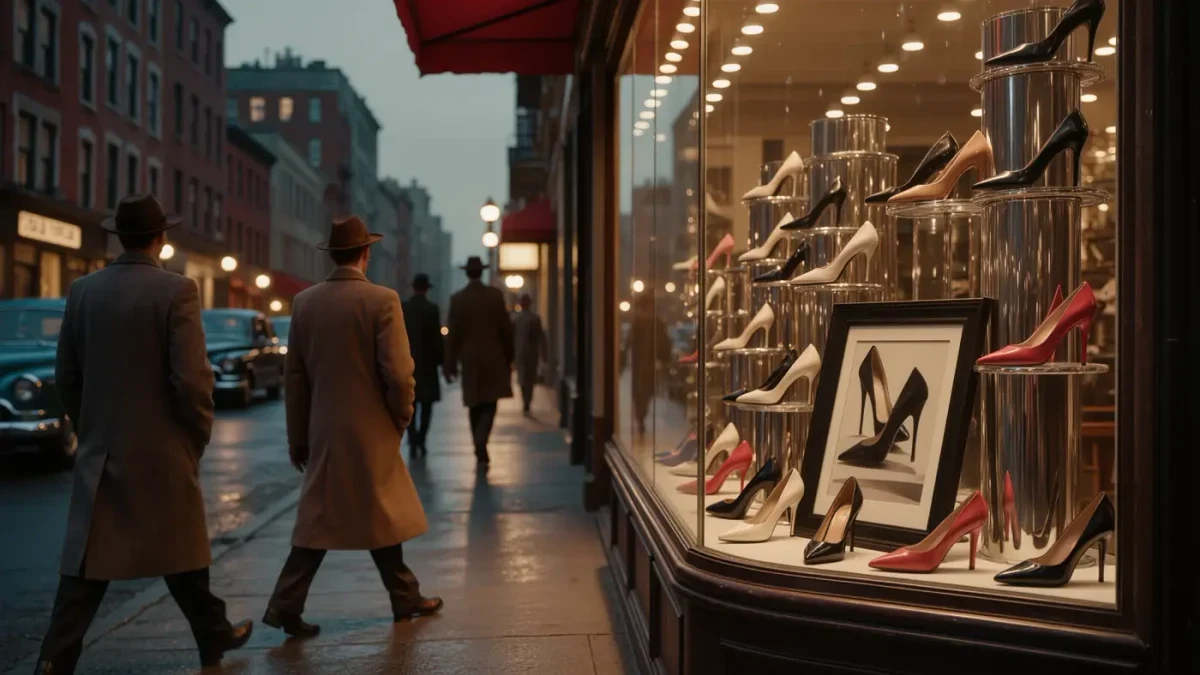
Ten years of commercial illustration, capped by the 1955 portfolio À la recherche du shoe perdu, taught Andy Warhol the mechanics of repetition that Pop Art would later inherit.